
From a reference image to a considered carpet brief
A carpet reference captures a mood. A useful brief connects that mood to the room, the people using it and the surface to be made. Start with those relationships before narrowing the palette.
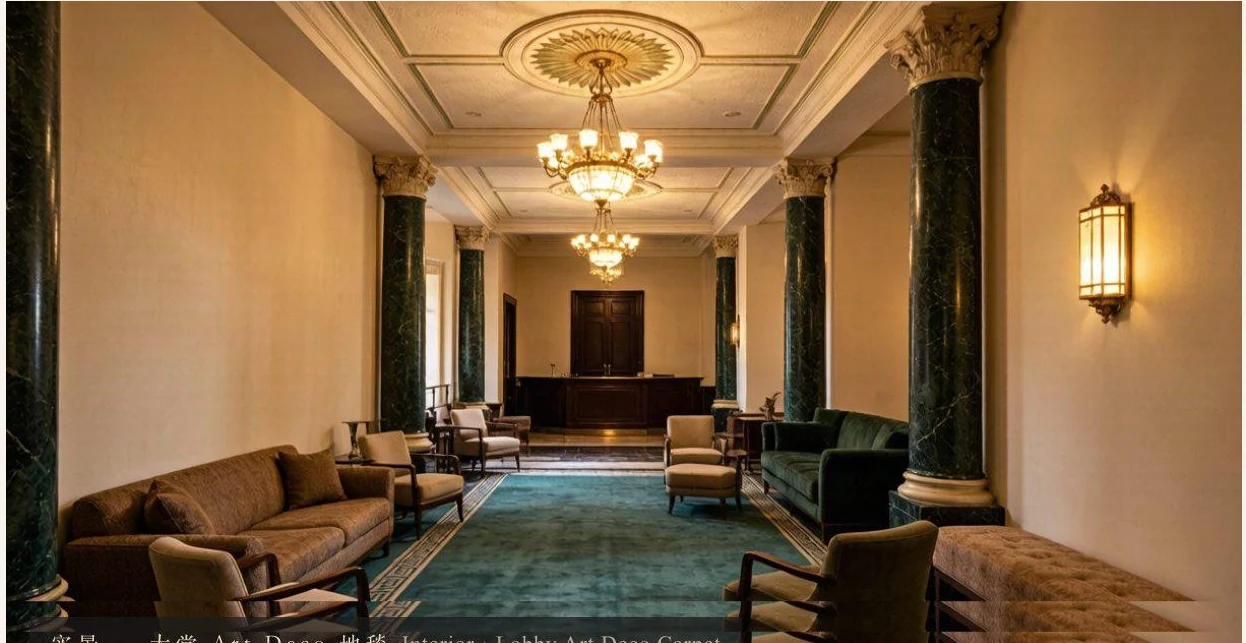
Begin with the setting
A guest room invites questions about underfoot comfort, the view from the doorway and how the colour reads beside the bed. A lobby brings concentrated traffic, broad floor areas and the daily cleaning routine into the same conversation. A corridor adds direction, pattern repeat and the position of seams.1
Describe the actual rooms and their use. Include furniture plans, doorways and transitions to adjacent floors. The room names alone rarely explain how a floor will be used.
Colour is one line of the brief
Read the reference alongside the stone, timber, upholstery and wall finishes. Ask where the pattern should carry the room and where a quieter ground would let other materials come forward.
A photograph gives a useful direction, but lighting, scale and pile affect the finished surface. Review the colour in the intended setting and include enough of the pattern in the sample to judge its rhythm.
What the brief should contain
Record the proposed construction, fibre, pile, backing and edge details, together with dimensions and quantities for each room. Include the cleaning routine and any artwork or pattern direction. A drawing becomes a product only when its material and construction are agreed.
Tell ADA the project country and the performance documentation required by the project team. Ask which evidence is available for the particular specification. Requirements and test results should be checked for the selected construction and destination.
Then ask for a sample
Review the sample with the plan, furniture finishes and lighting. Keep the approved artwork, colour reference and construction notes together so that the final specification describes the same carpet.
Send a room plan, intended use, approximate quantities, design references and delivery country to ADA. Mark the decisions already made and the questions still open. This gives the next sampling conversation a clear purpose.
Bring the plan, palette and preferred design to the conversation.
Discuss a rug or carpet with ADA ↗